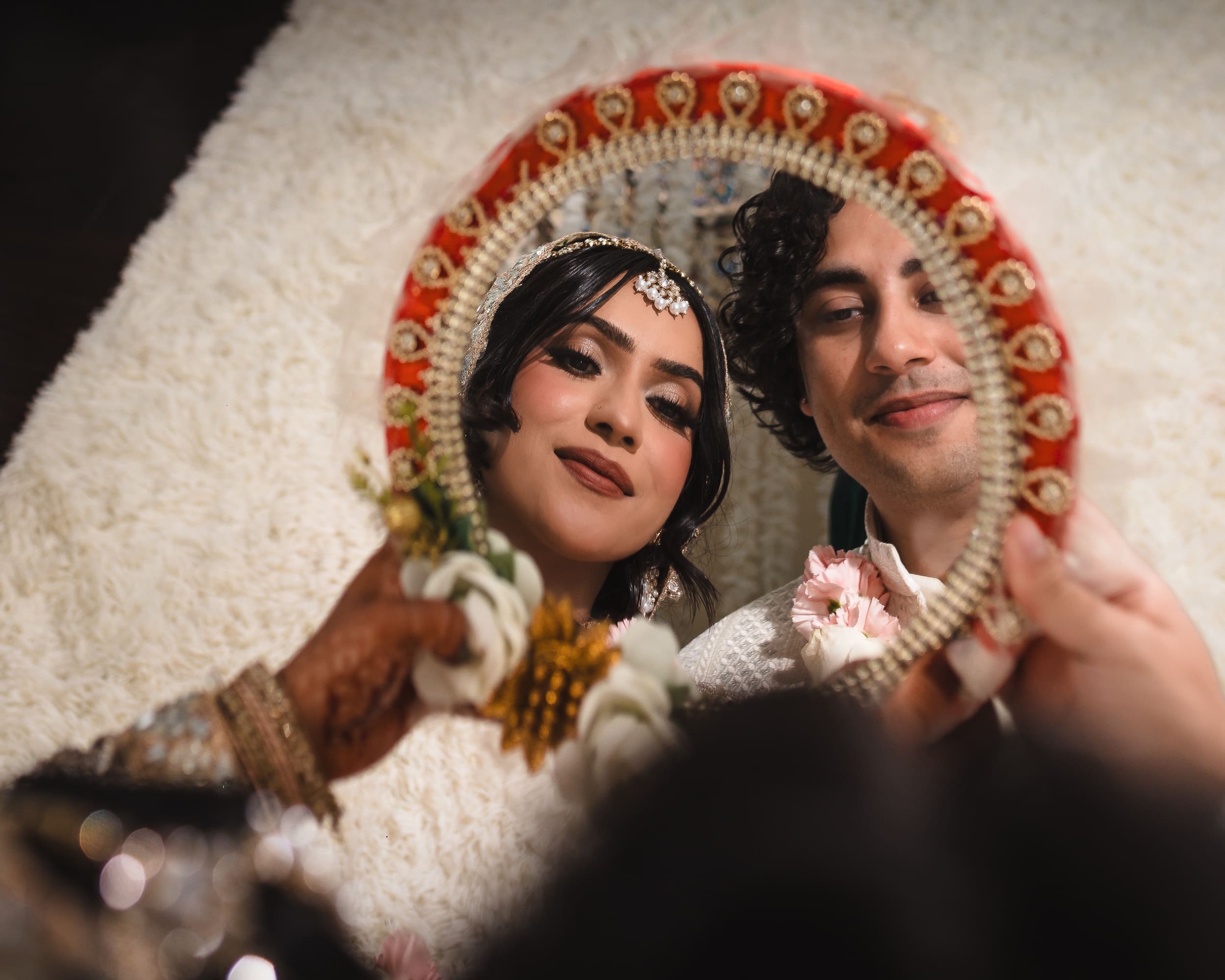
“Gate dhora” is over by the time the groom’s side reaches the door. The veil lifts seconds after Qubul. The groom’s shoes disappear the moment everyone stops watching.
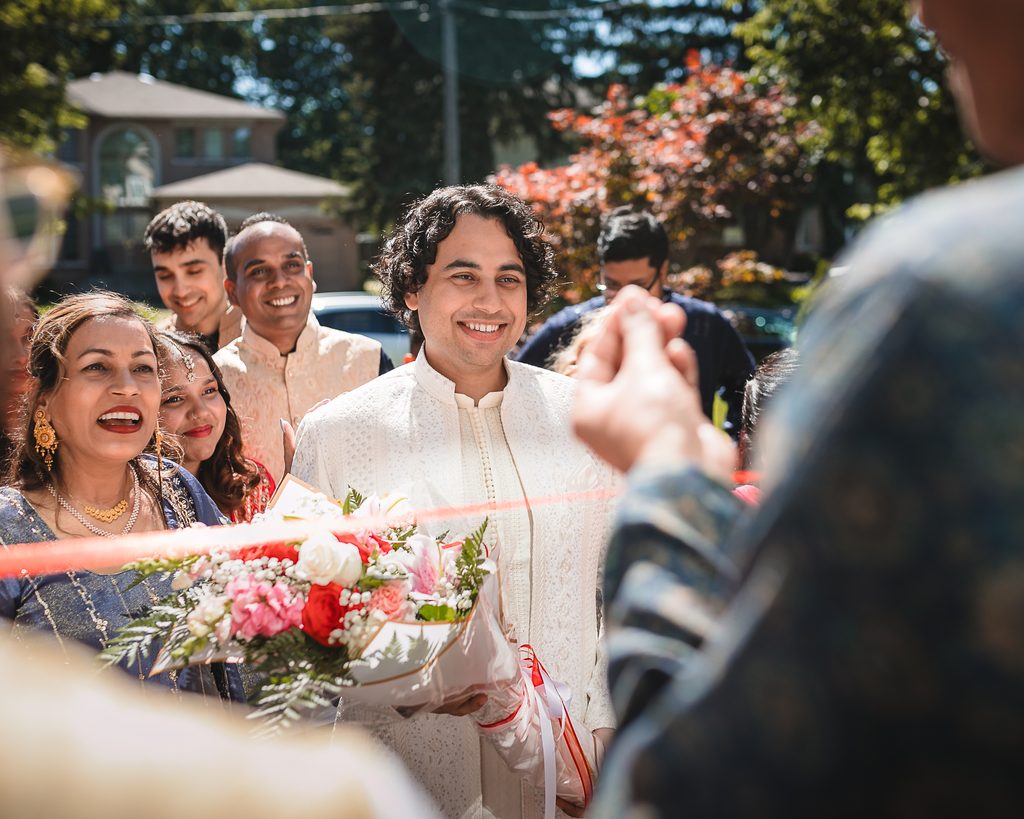
If your photographer doesn’t know these moments are coming, they arrive just in time to photograph the crowd around them. As a South Asian wedding photographer, this is what I think about most, and it’s what cultural awareness really comes down to: knowing the moment before it happens.
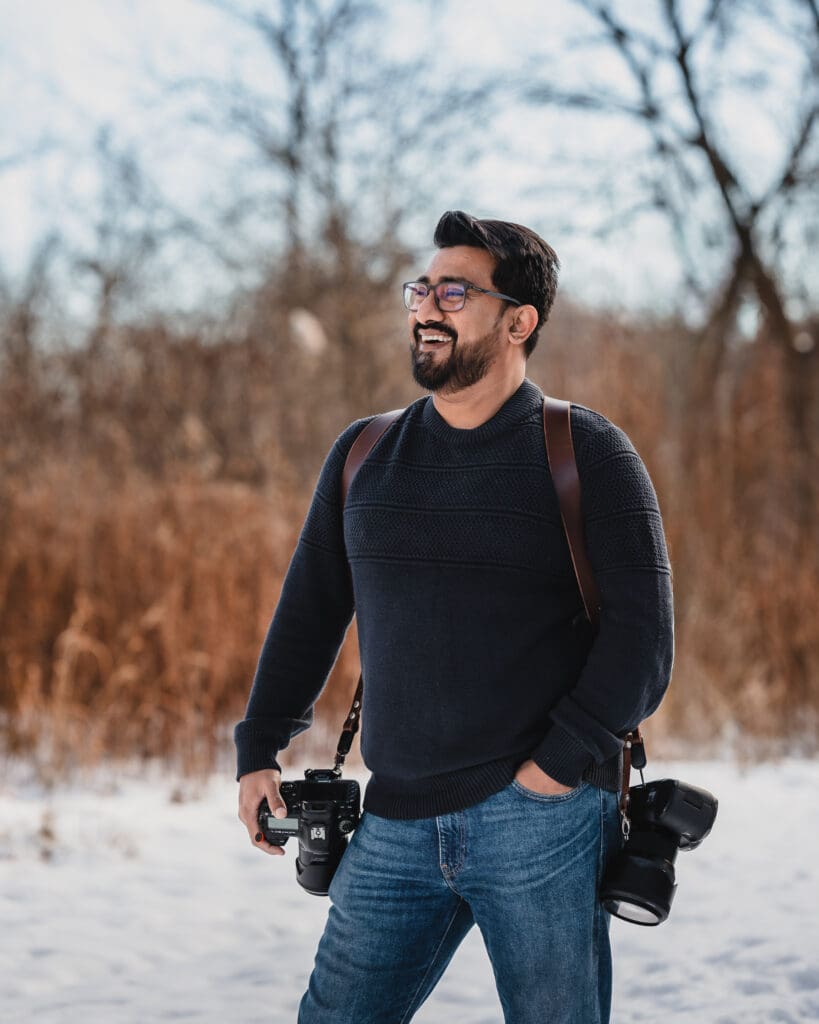
Hi, I’m Sayeed.
The photographer behind The Northern Love Chapter Photography. I photograph Nikah, Mehndi, Gaye Holud and Walima celebrations across Toronto and the GTA with an honest, cinematic approach.
Most of the weddings I photograph are Pakistani and Bangladeshi, and I ask every family how they do things. Two weddings can share a faith and still run in completely different ways.
Here’s what cultural awareness looks like in practice.
Same Faith, Different Families
A Pakistani wedding and a Bangladeshi wedding can share the same Nikah and still feel like two different days.
Faith shapes most of the wedding. The rest comes from where your family is from, and that’s where a lot of the best photographs live.
Not every ritual crosses over. A Pakistani wedding often begins with a dholki in the nights before, an evening of songs and dholak with the women of the family. A Bangladeshi wedding has its own moments that a Pakistani one doesn’t, like “Haat Dhowa” on the wedding day: after the groom eats, the bride’s siblings and cousins wash his hands, and they won’t let him go until he pays them for the privilege.
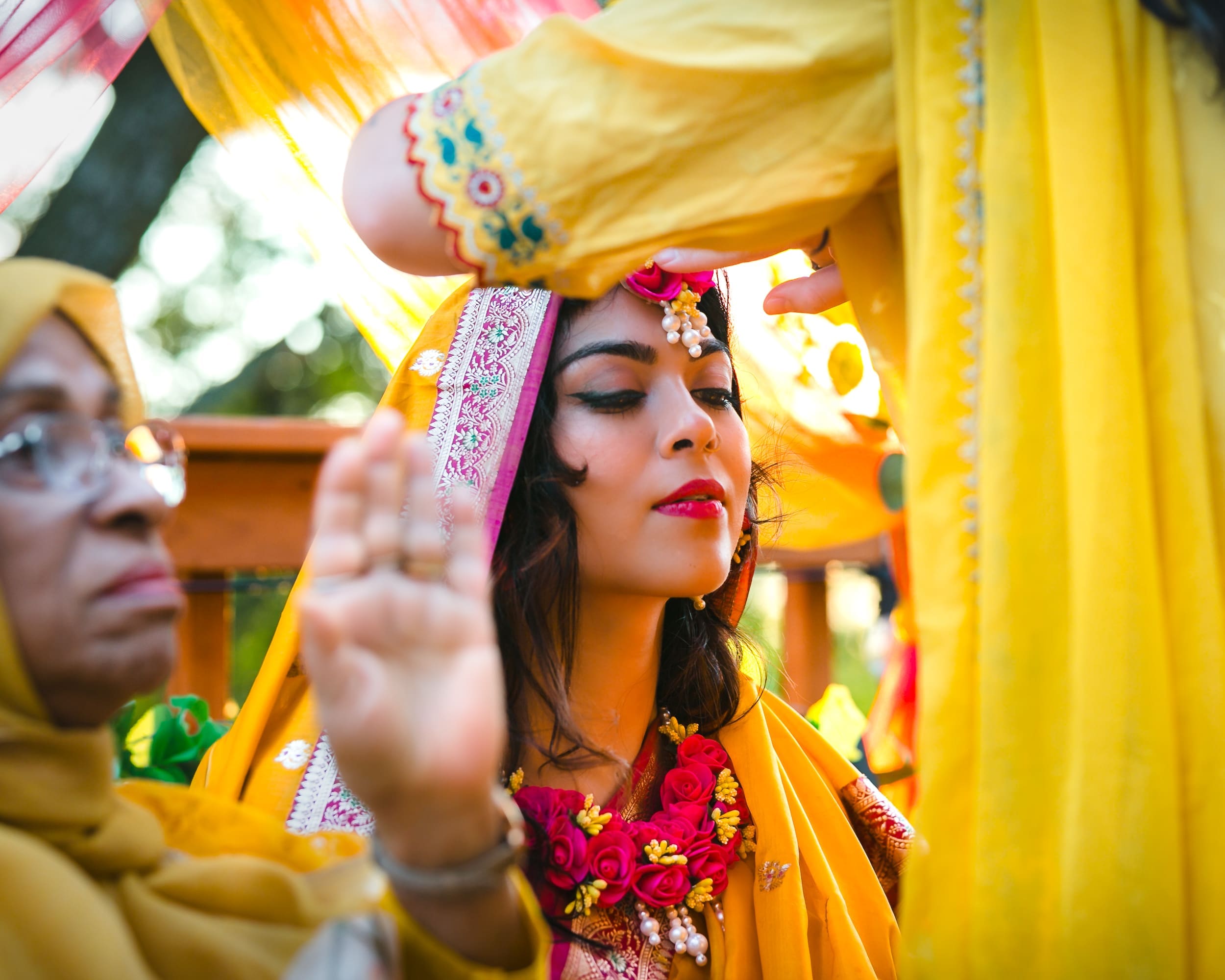
The turmeric. At a Bangladeshi Gaye Holud, the holud goes straight onto the bride’s and groom’s faces and hands, and there is always one relative who takes it further than planned. At a Pakistani haldi, it’s usually gentler: a little on the hand or cheek, or a betel leaf resting in the couple’s palms. These are two different energies, and they’re photographed in two different ways.
The flower curtain. Both Pakistani and Bangladeshi families often use the phoolon ki chaadar before the Nikah. But the mood around it is not quite the same, and a photographer has to read the room each time.
Beyond Muslim weddings. I’ve also photographed a Sikh wedding, from the haldi to the Anand Karaj in the gurdwara. The same rule held there: learn the family’s way first.
What tends to work best:
- telling your photographer which family’s customs lead each event, especially in a mixed Pakistani and Bangladeshi family
- naming the one or two traditions your family would be heartbroken to miss
What to avoid:
- assuming “it’s a Muslim wedding” tells your photographer everything they need to know
- leaving your photographer to guess which customs will happen on the day
What a Culturally Aware Photographer Asks Before the Wedding
Cultural awareness starts long before the camera comes out. It starts with questions.
In my consultation with every couple, I want to know which traditions lead each event, whose family’s customs come first, and where the Nikah will happen: a masjid, a venue, or your living room. I ask whether the ceremony will be gender-separated, so a female photographer can cover the women’s side if you’d like. And I ask which moments your family would rather keep private.
Clothing comes up early too. Some couples sit down with me six months or more before the first event. What you’ll wear, what your relatives will wear, and where a pre-event shoot happens (in the city, a park, or an open field) all shape how the photographs feel. Each culture has its own traditional colours and outfits for each event. A photographer should know them well enough to plan the backdrop and the light around you. The details deserve the same attention: the bangles, the maang tikka, the necklace, the groom’s sherwani or panjabi.
What tends to work best:
- sharing your outfit colours for each event once you’ve chosen them
- mentioning the seating arrangement early, especially for a gender-separated Nikah
- telling your photographer about any moments the family would rather keep off camera
What to avoid:
- leaving cultural details for the morning of the wedding
- assuming your photographer will figure out your family’s traditions on the day
Knowing When to Step In and When to Step Back
A culturally aware wedding photographer knows what comes next, so they’re in the right place before it happens.
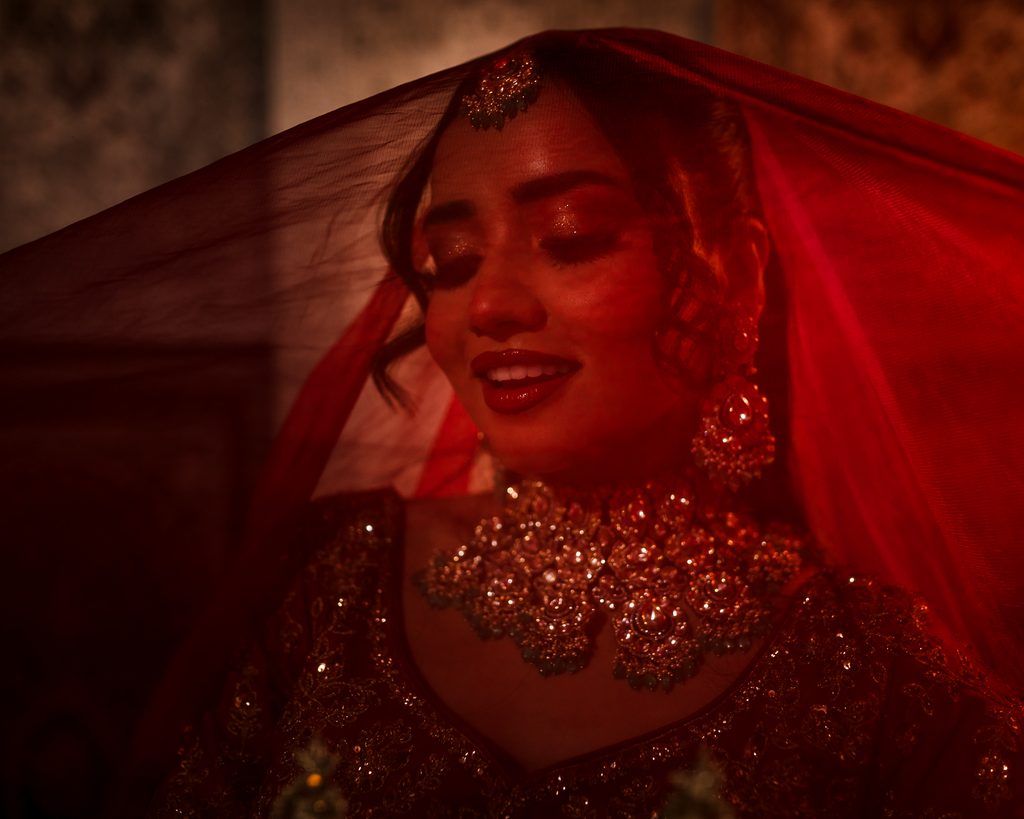
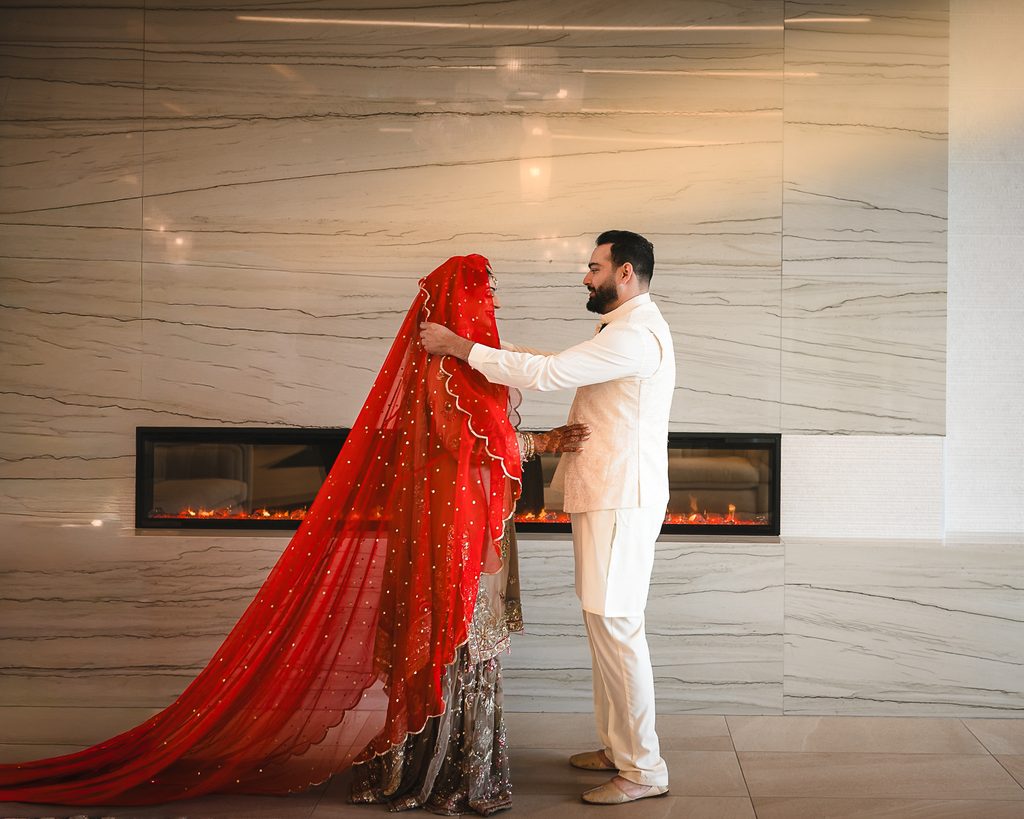
Stepping in: the veil. During the Ijab-o-Qubul, I’m usually at the back or in a corner, getting the wide shots of the whole room. The moment the Qubul is done, I move. Within seconds, the groom will cross the flower curtain and lift the bride’s veil. I need to be right beside the couple, with no one between us, for both the wide frame and the close one. I don’t wait to see it happen. I already know it’s coming.
Stepping back: the shoes. “Juta chupai” is an old tradition, and it often turns into a full negotiation. It usually starts once the couple is settled on stage after the Nikah or the first dance, when the bride’s side finally sees its chance. Then comes a crowd, some running, and five to ten minutes of bargaining. That’s my cue to step back. The videographer needs room, and the real photographs come from the edges, where the family is laughing and nobody is performing.
Timing: the gate. At a Bangladeshi wedding, “gate dhora” happens at the very start. The groom arrives with his side, and the bride’s siblings and cousins block the door until he pays. Arrive a few minutes late and it’s already over.
The dance floor. At most Bangladeshi weddings I photograph, the dancing is choreographed. I can settle into a corner, get close, and know where the next move will land. Pakistani dance floors have more surprise in them. The choreographed performance starts, then someone’s chacha joins in, and suddenly it’s a different dance. So my second shooter and I keep switching corners.
What tends to work best:
- letting your photographer know roughly when the curtain crossing and veil lifting will happen
- a second shooter, so one of us is always close to the action
- a quiet heads-up when your cousins are planning the shoe heist
What to avoid:
- a photographer standing in the middle of the “juta chupai” negotiation, blocking the videographer and the family
- starting “gate dhora” before your photographer has arrived
In the Masjid, the Gurdwara and the Living Room
In a holy space or a crowded living room, a good photographer is almost invisible.
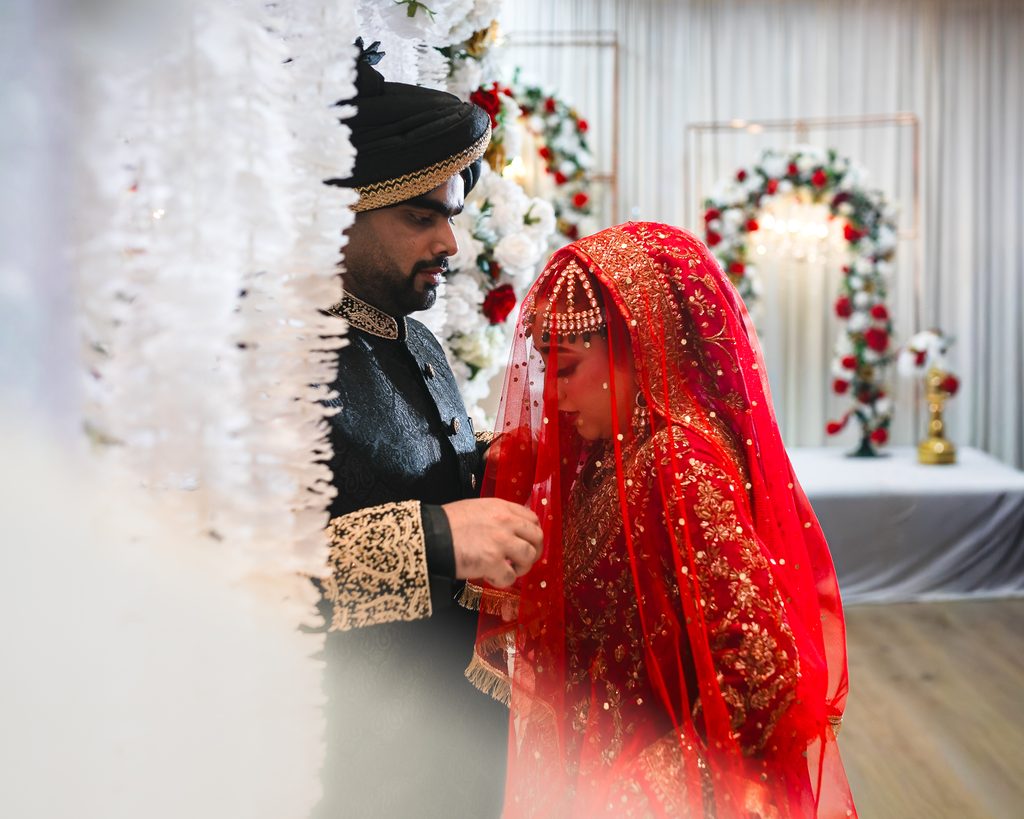
In the masjid. Many Nikahs happen in a masjid, where flash is usually not allowed. Even where it is, flash breaks the calm. I work with the available light and check the rules with the Mawlana beforehand. I keep a respectful distance from the Mawlana and never stand between him and the couple. The elders sit close, and I move around them, never in front of them. Your family came to see the Qubul and the Nikahnama signing too, and they deserve a clear view of both.
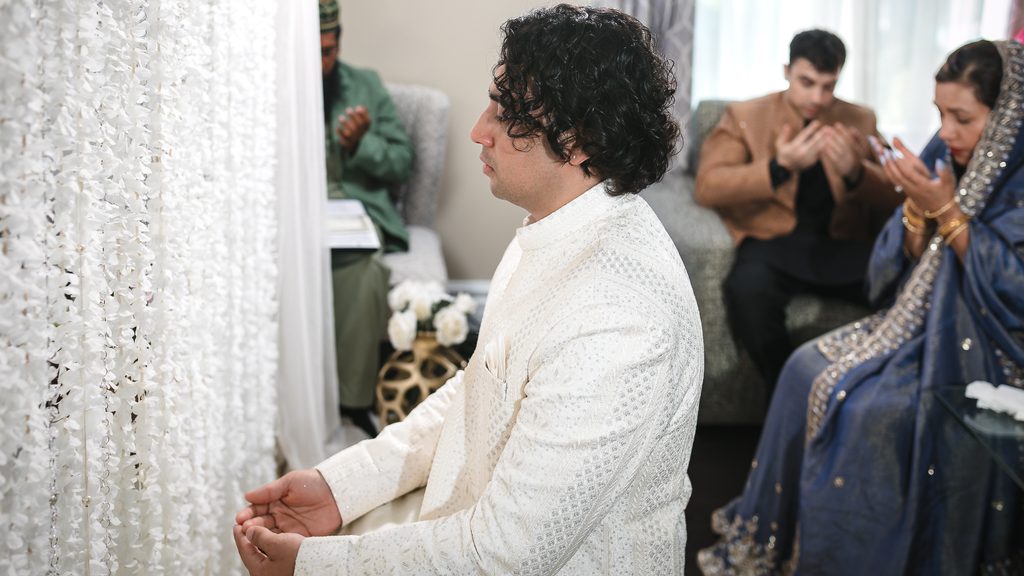
In the living room. Many families choose an intimate Nikah at home. It’s beautiful, and it’s the hardest room to work in. There is often one good angle on the Mawlana and the couple, and twenty relatives who want the same view. I choose my spot early, so I can keep the frame clear without blocking anyone. I’ve written more about protecting those minutes in what most couples get wrong about Nikah photography.
In the gurdwara. At the Sikh wedding I photographed, the same care took a different shape: head covered, shoes off, no flash, and never standing with my back to the Guru Granth Sahib during the Anand Karaj.
What tends to work best:
- telling your photographer where the Nikah will be, so they can plan the light and their positions
- confirming photography rules with your masjid or gurdwara ahead of time
- for a home Nikah, deciding where the Mawlana and the couple will sit before guests arrive
What to avoid:
- a photographer crowding the Mawlana during the sermon or the signing
- flash during the ceremony
- a team so focused on the shot that your family can’t see their own Nikah
Family Photos: Patience Is Part of the Job
In Pakistani, Bangladeshi and Indian families, family photos are never quick, and they shouldn’t feel rushed.
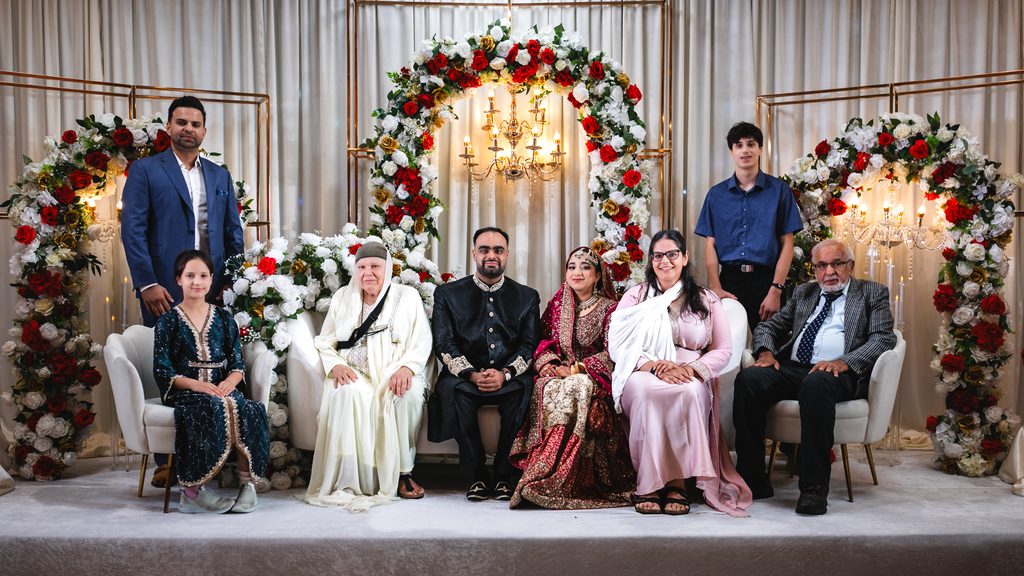
Elders come first, always. Then come the aunts who’d love a portrait of their own, the cousins, and the relative who has been waiting all evening for one photo with the couple. While I’m working on the stage, my second shooter photographs the guests who are waiting, so nobody’s evening is spent just standing in line.
Group photos have their own rhythm. One family steps up, and someone is missing. They come back, and someone else has wandered off. I keep things moving gently so the next family isn’t waiting too long, but never so fast that a grandparent feels hurried. Sometimes chaos is the beautiful language of our culture. My job is to work with it, kindly.
What tends to work best:
- one family member who knows everyone and can call the next group forward
- photographing the elders first, while everyone still has energy
- more time in the timeline for family photos than you think you’ll need
What to avoid:
- a family photo list so rigid it leaves no room for the aunt who wasn’t on it
- rushing your nani or dadi to stay on schedule
Final Thought
No photographer knows every family’s way. A culturally aware one knows enough to ask, and knows what’s coming next.
The difference shows up in the photographs you keep: the veil lifting, the door finally opening at “gate dhora,” your nani in the front row of the family photo, exactly where she should be.
If you’re planning your wedding and want to talk through how your family does things, take a look through my portfolio to see how different celebrations have come together, or let’s talk about your date.
FAQs
Do you photograph both Pakistani and Bangladeshi weddings?
Yes. Most of the weddings I photograph are Pakistani or Bangladeshi and I plan each one around that family’s own traditions.
Do you use flash during a Nikah in a masjid or a ceremony in a gurdwara?
Usually not. Flash is often not allowed, and even where it is, it breaks the calm. I check the rules beforehand and work with the available light.
Do you photograph Nikahs at home?
Yes. Home Nikahs are often the most intimate, and I plan positions ahead so the family can see everything too.
Have you photographed Sikh weddings?
Yes, including the haldi and the Anand Karaj in the gurdwara.
Do you bring a second shooter?
Yes, especially for “juta chupai,” the dance floor and family photos, where moments happen in more than one place at once.
Can a female photographer cover the women’s side of the ceremony?
Yes. For gender-separated ceremonies, I can arrange a female photographer for the women’s side when you ask. Just let me know in advance.


